Dive into the world of peonies, unveiling the symbolism hidden in their colors
Posted on 08/05/2026
Introduction
Peonies are more than a fleeting spring romance. They are living poetry--fragrant, voluptuous, and steeped in stories that span imperial courts, tea gardens, and modern bridal aisles. When you dive into the world of peonies, unveiling the symbolism hidden in their colors, you uncover a language that speaks of honor, prosperity, love, purity, renewal, and quiet resilience. Whether you are a floral designer curating a ceremony, a gardener plotting a long-term border, a brand manager aligning a product launch with color psychology, or a gift giver searching for the perfect gesture, peonies offer a timeless, culturally rich palette with a meaning for every moment.
This comprehensive guide decodes peony color symbolism across traditions--from classical Chinese and Japanese lore to Victorian floriography and contemporary design--while providing practical steps for selecting cultivars, designing bouquets and gardens, and caring for blooms. You will find expert tips, common pitfalls, a real-world case study, and a UK-focused compliance section to ensure your projects are not only beautiful but responsible and on-spec.
By the end, you will be able to confidently dive into the world of peonies, unveiling the symbolism hidden in their colors and apply that knowledge to events, interiors, brand narratives, and living landscapes. This is your definitive, SEO-optimized, human-friendly guide to peonies: bold on expertise, gentle on jargon, and rich with practical takeaways.
Table of Contents
- Why This Topic Matters
- Key Benefits
- Step-by-Step Guidance
- Expert Tips
- Common Mistakes to Avoid
- Case Study or Real-World Example
- Tools, Resources & Recommendations
- Law, Compliance or Industry Standards (UK-focused)
- Checklist
- Conclusion with CTA
- FAQ
Why This Topic Matters
In the global language of flowers, peonies occupy a rare intersection of cultural heritage, economic value, and emotional resonance. In China, tree peonies (Paeonia suffruticosa)--often called the King of Flowers--have symbolized wealth, honor, and feminine beauty for over a millennium. In Japan, peonies are motifs of good fortune and bravery. In 19th-century Europe, peonies entered the lexicon of floriography, where colors carried messages of love, bashfulness, and prosperity. Today, peonies remain some of the most sought-after wedding flowers and are a staple of boutique garden design. For brands and stylists, peony hues map directly to color psychology: coral for new beginnings, white for purity, red for prestige and power, yellow for optimism.
Understanding this symbolism is practical. It directs decisions about wedding palettes, corporate events, seasonal retail campaigns, and even the choice of cultivars for gardens that must perform across multiple years. Beyond aesthetics, peony know-how informs budgets (short stem windows impact price), sustainability (local vs. imported), and compliance (biosecurity and plant health). For searchers seeking depth, this guide delivers a researched, experience-led, and trustworthy reference to help you unlock the meanings embedded in peony colors--and use them well.
Key Benefits
Mastering peony color symbolism and practical use yields measurable advantages:
- Cultural alignment: Select colors that respect and honor traditions across Chinese, Japanese, and Western contexts.
- Design clarity: Plan bouquets, installations, and gardens with hues that convey specific narratives or moods.
- Event impact: Elevate weddings, brand activations, and photoshoots with symbolic depth that enhances storytelling.
- Budget control: Time purchases to seasonal peaks and choose cultivars that deliver the look without premium surcharges.
- Longevity: Choose reliable varieties for garden borders, understanding bloom windows and plant lifespans.
- Ethical sourcing: Navigate local seasonality, reduce air miles, and comply with plant health rules.
- Client communication: Translate color choices into emotional benefits--vital for proposals, upsells, and stakeholder buy-in.
- Search authority: For content creators, using accurate symbolism strengthens E-E-A-T and outperforms shallow summaries.
Step-by-Step Guidance
Use this structured approach to dive into the world of peonies, unveiling the symbolism hidden in their colors--and put that symbolism to work.
Step 1: Know Your Peony Types
Not all peonies are the same, and form affects both availability and impression:
- Herbaceous peonies (Paeonia lactiflora hybrids): Die back in winter, re-emerge in spring; classic cut-flower types with lush doubles. Peak bloom late spring to early summer.
- Tree peonies (Paeonia suffruticosa): Woody shrubs with enormous, often silken petals and earlier bloom times. Revered in East Asian art and symbolism.
- Intersectional (Itoh) peonies: Crosses between tree and herbaceous peonies, offering strong stems, wide color range (including yellows), and extended bloom windows.
Knowing type helps you manage color access, stem strength, and seasonality.
Step 2: Learn the Color Lexicon
Peony colors carry layered meanings. Use these as a guide, adapting to cultural context and client preference:
- Pink: Romance, affection, grace. In weddings, a soft symbol of tender love and happy marriage.
- White/Cream: Purity, sincerity, humility, remembrance. In some contexts, white can also signify mourning; match to regional norms.
- Red/Crimson: Prosperity, honor, respect, celebration. In Chinese symbolism, red peonies evoke wealth and high status.
- Coral/Salmon: New beginnings, energy, transformation. Coral charm types shift color across days--mirroring change and growth.
- Yellow: Joy, optimism, wisdom, rarity. Often from Itoh hybrids; excellent for modern, sunlit palettes.
- Purple/Lavender: Royalty, mystery, introspection. Less common; read as sophisticated and contemplative.
- Peach/Apricot: Gratitude, warmth, bridge between romance and friendship.
- Burgundy/Maroon: Depth, devotion, opulence--dramatic in evening events.
Keep nuance in mind: a white peony in a minimalist city wedding can read as modern purity; in East Asian funerary traditions, white can carry somber notes. Always align with audience.
Step 3: Map Colors to the Occasion
- Weddings: Pink, white, and blush for romance and sincerity; coral for upbeat spring fetes; burgundy for evening elegance.
- Cultural celebrations: Red for Lunar New Year or Chinese weddings; yellow or gold-accented peonies for prosperity themes.
- Brand events: Translate values into hue: innovation (coral/yellow), heritage (red/crimson), transparency (white/cream), luxury (burgundy/purple).
- Sympathy: Whites and soft pastels convey compassion; consider regional customs before finalizing.
- Gardens: Sequence early tree peonies with mid-season herbaceous and late Itoh varieties for months of meaning and color.
Step 4: Choose Cultivars for Color Fidelity
Color names vary by grower; choose proven cultivars:
- Pink: 'Sarah Bernhardt', 'Bowl of Beauty', 'Monsieur Jules Elie'
- White: 'Festiva Maxima', 'Shirley Temple', 'Duchesse de Nemours'
- Red/Crimson: 'Karl Rosenfield', 'Red Charm', tree peony 'Kokuryu-nishiki'
- Coral: 'Coral Charm', 'Coral Sunset' (note: fades to apricot/peach with age--symbolically interesting)
- Yellow: Itoh 'Bartzella', 'Garden Treasure', tree peony 'High Noon'
- Purple/Lavender: Tree peony selections such as 'Shimadaijin'
- Burgundy: 'Buckeye Belle', 'Chocolate Soldier'
Step 5: Balance Symbolism with Season and Supply
Peonies are highly seasonal. In the Northern Hemisphere, outdoor-grown stems peak from April to June depending on latitude and type; Southern Hemisphere imports extend availability. Price and carbon footprint vary accordingly.
- Local-first strategy: Book ahead with local growers for peak weeks.
- Substitutions: For late summer weddings, mix garden roses, ranunculus, and dahlias to echo peony forms while retaining color symbolism.
- Budget note: Early and late shoulders of the season carry premiums; plan palettes with backup varieties.
Step 6: Design with Intent
Translate meaning into visual structure:
- Monochrome depth: Layer tints and tones (e.g., blush to dusty rose) for refined storytelling without visual noise.
- Symbolic gradients: Start with coral (new beginnings) moving into pink (romance) and white (commitment) through the installation.
- Contrast accents: Pair yellow peonies (joy) with deep indigo textiles for modern energy.
- Texture dialogue: Combine peonies with hellebores, lisianthus, and jasmine vines for softness that matches their symbolism.
Step 7: Care and Handling (Cut Flowers)
- Stage: Buy at 'marshmallow' bud--soft and slightly open for best vase life and bloom.
- Hydration: Recut stems at an angle; remove leaves below water; place in clean, tepid water with flower food.
- Temperature: Keep cool (but not near fruit--ethylene shortens life). Avoid heat and drafts.
- Color integrity: Coral varieties fade; plan staging so the color shift feels intentional.
- Change water: Every 1-2 days; sanitize vases to prevent bacterial blockage.
Step 8: Planting and Long-Term Care (Garden)
- Site: Full sun to light shade; well-drained soil. Peonies dislike waterlogging.
- Depth: Plant herbaceous peony eyes 2-5 cm below soil in temperate climates; too deep delays flowering.
- Patience: Peonies take 2-3 years to establish; they can live decades, rewarding thoughtful color planning.
- Support: Large doubles may need discreet rings; Itohs often stand tall without staking.
- Hygiene: Remove spent foliage in autumn to reduce disease pressure; avoid heavy mulch against crowns.
Step 9: Communicate the Story
For clients and guests, symbolism elevates impact. Add a line card or signage: 'Today's white peonies symbolize sincerity and lasting commitment; coral blooms celebrate our new journey.' This makes the color choice felt and remembered.
Expert Tips
- Blend for nuance: Mix white with a whisper of blush to temper starkness without losing the purity message.
- Use fragrance strategically: Many peonies are scented--beautiful in reception areas but avoid overwhelming dining tables.
- Time the open: If you need full bloom for a morning event, stage stems in slightly warmer rooms the day prior; cool overnight if they race.
- Photographic planning: Coral-to-peach fade reads softly on camera; deep burgundy requires ample light to prevent muddiness.
- Cultural sensitivity: Verify white flower customs for funerary associations in East Asian communities before finalizing wedding palettes.
- Longevity hack: Strip excess foliage, keep water low (just enough to cover stems), and use clean tools to prolong vase life.
- Garden succession: Stagger early tree peonies with mid-season 'Festiva Maxima' and late Itoh 'Bartzella' for a narrative that unfolds over weeks.
- Symbolic accessories: Gold ribbon amplifies honor and prosperity in red peony arrangements without cluttering the composition.
- Ethical sourcing: When possible, select peat-free nursery stock and locally grown stems to minimize environmental impact while telling a story of stewardship.

Common Mistakes to Avoid
- Ignoring context: Assuming white always equals purity; in some cultures, it carries mourning connotations.
- Overcrowding: Too many colors dilute symbolic clarity; limit to 2-3 core hues with supportive foliage.
- Buying too tight: Rock-hard buds may never open; choose marshmallow stage for reliable bloom.
- Planting too deep: Buried crowns delay or prevent flowering for years.
- Mismatched seasonality: Designing August events around peonies without budget or substitutes leads to poor outcomes.
- Skipping hygiene: Dirty tools and vases shorten vase life and dull petals.
- Color fade shock: Not planning for coral fade; schedule photography accordingly.
- One-note symbolism: Peonies can carry multiple meanings; embrace layering (e.g., pink romance plus yellow optimism) with intention.
Case Study or Real-World Example
Brief: A UK couple planned a May wedding in the Cotswolds with a ceremony narrative themed around 'Journey and Joy'. The design goal: dive into the world of peonies, unveiling the symbolism hidden in their colors to move guests through the day.
Palette: Coral peonies ('Coral Charm') for new beginnings during the aisle processional; soft pinks ('Sarah Bernhardt') at the reception for romance and warmth; white ('Duchesse de Nemours') for the vows to signal sincerity.
Execution: The florist staged coral blooms to open the morning of the wedding and leaned on the natural color fade toward peach by evening--visually mirroring the couple's 'journey' message. A small card at each table explained the symbolism. For sustainability, 70% of stems were locally grown; the rest were UK-sourced wholesalers with plant passports.
Outcome: Guests commented on the storyline and remembered the color transitions. The couple reported that the symbolic framing deepened the ceremony and helped them allocate budget to the most meaning-rich moments (vows and head table). The planning team built a reusable color narrative for the photo album and social posts, extending impact beyond the day.
Tools, Resources & Recommendations
Build expertise and reliability with these resources and practices:
- Plant references: Royal Horticultural Society (RHS) Plant Finder; Kew's Plants of the World Online for taxonomy.
- Color planning: Pantone and accessible color tools; physical swatches to match peony hues under event lighting.
- Seasonal calendars: Local grower networks and wholesalers' availability charts; track lead times for key cultivars.
- Conditioning: Use commercial flower food and clean, pH-balanced water; keep a sanitation kit (bleach or professional disinfectant, razor-sharp pruners).
- Garden reliability: Choose Award of Garden Merit (AGM) peonies from RHS-listed cultivars for proven performance.
- Education: Short courses in floristry or horticulture; RHS Advice, local botanic gardens' workshops.
- Sustainability: Peat-free compost, rainwater collection where possible, and local-season-first sourcing policies.
Recommended cultivars by message:
- Honor & Prosperity: 'Red Charm', tree peony 'Kokuryu-nishiki'
- Purity & Sincerity: 'Duchesse de Nemours', 'Festiva Maxima'
- New Beginnings: 'Coral Sunset', 'Coral Charm'
- Joy & Optimism: Itoh 'Bartzella', 'Garden Treasure'
- Romance & Grace: 'Sarah Bernhardt', 'Bowl of Beauty'
- Depth & Devotion: 'Buckeye Belle', 'Chocolate Soldier'
Law, Compliance or Industry Standards (UK-focused if applicable)
Working with peonies commercially or importing plants entails responsibilities. In the UK, ensure the following:
- Plant Health Regulations: The UK's plant health regime (administered by the Animal and Plant Health Agency, APHA) requires that businesses moving plants for planting hold or include a Plant Passport to demonstrate traceability and health status. This applies to nursery stock and may cover peony plants traded within Great Britain.
- Import controls: If importing peony plants or cut flowers from certain countries, pre-notify via IPAFFS (Import of Products, Animals, Food and Feed System). Check whether your consignment requires a phytosanitary certificate.
- Pest & disease vigilance: While peonies are relatively resilient, monitor for botrytis and foliar issues. Follow APHA guidance on reporting notifiable pests.
- Pesticides and biocides: If you use plant protection products, comply with UK HSE/CRD regulations. Keep records, follow label instructions, and prioritize integrated pest management.
- Packaging & waste: Floristry businesses may have obligations under UK packaging waste regulations. Reduce, reuse, and recycle; consider reusable mechanics instead of floral foam where possible.
- Peat policy: The UK is phasing out peat use in horticulture; opt for peat-free growing media in line with sustainability best practice.
- Venue compliance: For event installations, adhere to fire safety and load-bearing rules; confirm attachment methods with the venue to protect structures.
Note: Regulations evolve. Always check current APHA, HSE, and government guidance before purchasing, importing, or installing plant material.
Checklist
- Define the core message: honor, romance, purity, joy, or transformation?
- Confirm cultural context to avoid misinterpretation.
- Select 2-3 primary peony hues; add one supporting accent.
- Choose reliable cultivars with proven color fidelity.
- Align to season and book growers/wholesalers early.
- Plan substitutes for off-peak dates.
- Condition stems correctly; schedule opening to the event timeline.
- Communicate symbolism in programs, menus, or signage.
- For gardens: plant at correct depth, provide sun and drainage, and be patient.
- For businesses: ensure plant passports/import compliance and sustainable practices.
Conclusion with CTA
Peonies are storytellers. When you dive into the world of peonies, unveiling the symbolism hidden in their colors, you gain more than a color chart--you gain a vocabulary to elevate events, gardens, and brand experiences. Pink whispers romance; red proclaims honor; white vows sincerity; coral celebrates beginnings; yellow radiates joy; purple contemplates wisdom; burgundy deepens devotion. With the right cultivars, timing, and care, your projects can carry meaning that guests and clients feel--and remember.
Use this guide as your blueprint to design with purpose, purchase with confidence, and care with skill. From small gestures to grand statements, peonies make beauty legible.
Get a free quote today and see how much you can save.
FAQ
What do pink peonies symbolize?
Pink peonies typically represent romance, affection, and grace. They are a favorite for weddings and anniversaries because they convey gentle, enduring love without the formality of pure white or the grandeur of deep red.
Are white peonies always appropriate for weddings?
Often yes--white signals purity and sincerity in many Western contexts. However, in some East Asian traditions, white can be associated with mourning. Confirm cultural preferences with the couple or family before finalizing.
What is the meaning of red peonies?
Red or crimson peonies symbolize honor, prosperity, and celebration. They are particularly resonant in Chinese culture for weddings and New Year festivities, where red is a color of luck and high status.
Do coral peonies change color, and does that affect symbolism?
Yes, many coral varieties like 'Coral Charm' fade to apricot or peach as they age. Designers use this transformation to symbolize new beginnings evolving into warmth and gratitude over the course of an event.
Which peonies last longest in a vase?
Longevity depends on conditioning and stage at purchase. Varieties like 'Sarah Bernhardt', 'Coral Sunset', and Itoh types are reliable. Buy at marshmallow stage, recut stems, and keep cool for best results.
Can I grow yellow peonies in a UK garden?
Yes. Yellow shades are common in Itoh hybrids such as 'Bartzella', which perform well in many UK gardens with full sun, good drainage, and winter chill. They bring bright, optimistic color to late spring displays.
How deep should I plant peonies?
For herbaceous peonies, set the buds (eyes) about 2-5 cm below the soil surface in temperate climates. Planting too deep is a frequent cause of poor flowering. Tree peonies should be planted with the graft union just below the soil line.
Are peonies safe to import into the UK?
Imports must comply with UK plant health rules. Depending on origin and product type, you may need IPAFFS pre-notification and a phytosanitary certificate. Businesses moving plants for planting within Great Britain typically require plant passports.
When is peony season for cut flowers?
Peak availability in the Northern Hemisphere runs roughly April to June, varying by latitude and type. Southern Hemisphere imports extend the season, but expect higher prices and consider sustainability impacts.
What is the difference between tree, herbaceous, and Itoh peonies?
Herbaceous peonies die back in winter and re-sprout each spring; tree peonies are woody shrubs with earlier, often larger blooms; Itoh peonies are hybrids combining traits--sturdy stems, broad color range, and reliable flowering.
Do peonies have fragrance?
Many do, ranging from sweet and rosy to citrusy. Fragrance varies by cultivar. If scent-sensitive guests are a concern, test a few stems before committing to large installations.
How can I explain peony symbolism to clients or guests?
Include a concise note on menus, programs, or signage: for example, 'White peonies for sincerity, pink for romance, coral for new beginnings.' This small gesture deepens the experience and ties the design to meaning.
What should I pair with peonies for cohesive symbolism?
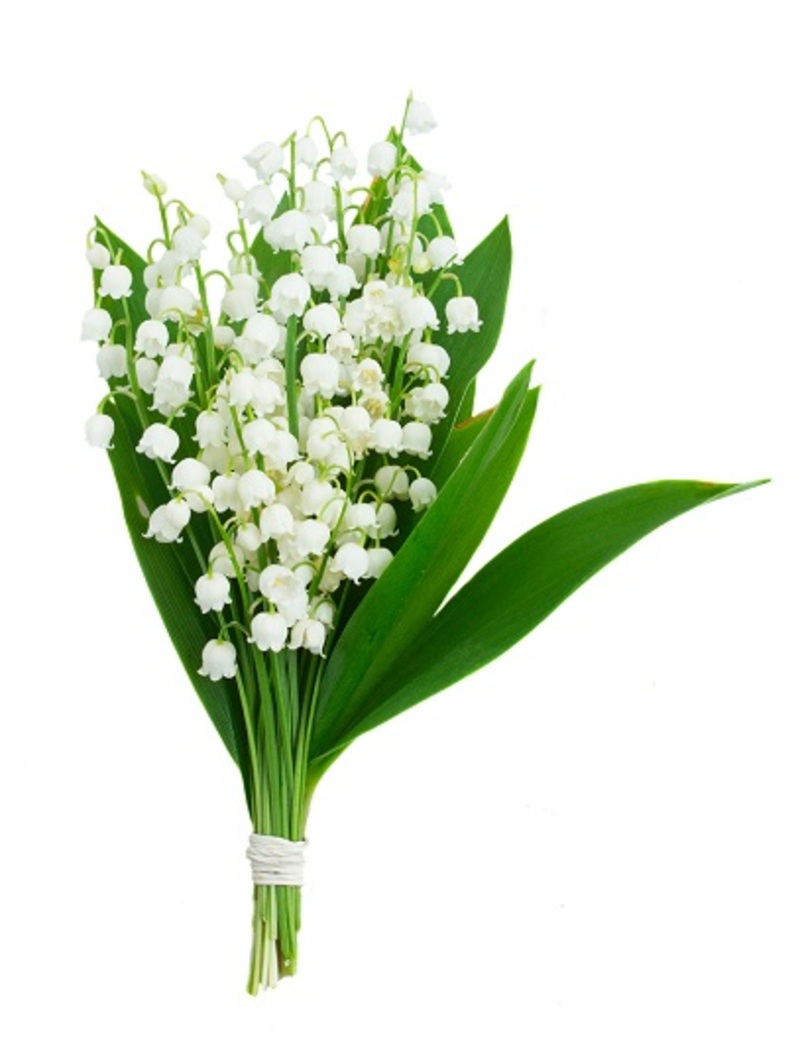
Consider complementary flowers that echo the message: jasmine for love, lily-of-the-valley for purity, orranunculus for layered romance. Use foliage like eucalyptus or ruscus to frame the story without competing for attention.
Can peonies be used in sustainable floristry?
Yes. Prioritize local-season stems, avoid floral foam in favor of reusable mechanics, choose peat-free growing media, and compost green waste. These practices align beauty with responsible design.
What does burgundy peony color mean?
Burgundy and deep maroon peonies signal depth, devotion, and opulence. They're ideal for evening events or brand activations seeking a luxurious, dramatic tone.
How do I prevent peonies from drooping in arrangements?
Use strong-stemmed cultivars, hydrate properly, and provide discreet support grids or chicken wire in vessels. Avoid overcrowding stems and keep arrangements cool before display.
Is there a national significance to peonies?
Peonies are celebrated as symbols of honor and wealth in China and are beloved across East Asia. While not officially designated everywhere, their cultural status makes them a powerful motif in art, literature, and ceremony.
Armed with this guide, you can confidently dive into the world of peonies, unveiling the symbolism hidden in their colors and design with purpose, authenticity, and beauty--season after season.